

We recognise that some people experience greater barriers when accessing healthcare services and may face poorer health outcomes as a result.
Through our work with patients, communities, charities, healthcare partners and voluntary organisations, we are committed to helping reduce health inequalities and improve patient experiences.
This work aligns with the NHS Core20PLUS5 approach.
What is Core20PLUS5?
Core20PLUS5 is a national NHS approach to reducing health inequalities.
It focuses on improving outcomes for the most deprived 20% of the population, alongside groups who may experience additional barriers to accessing healthcare and support.
The approach aims to ensure that everyone has the opportunity to achieve the best possible health outcomes.

Why does this matter to EMED?
Patient transport is about much more than getting someone from A to B.
For many people, transport can be the difference between accessing healthcare and missing out on treatment, appointments or support.
We know that barriers such as disability, communication needs, poverty, social isolation, frailty, dementia, language barriers and long-term health conditions can affect a person’s healthcare experience.
By understanding these barriers, we can help make healthcare journeys safer, more accessible and more person-centred.
How we support Core20PLUS5
Listening to lived experience
We work with patients, carers, charities, Healthwatch organisations and community groups to understand people’s experiences and identify opportunities for improvement.
By listening to those who use our services, we can better understand the challenges people face and respond more effectively.
Improving accessibility
Through our Accessible Information Standard programme, we are working to remove communication barriers and make information easier to access and understand.
This includes:
• Easy Read communications
• Website accessibility tools
• Relay UK support
• Plain English communications
• Recording communication needs where possible
.




Working with communities
Reducing inequalities requires collaboration.
We work with a range of organisations, including:
• Healthwatch
• Charities
• Voluntary and community organisations
• Integrated Care Boards (ICBs)
• NHS partners
• Patient groups
These partnerships help us understand local needs and identify opportunities to improve access and experience.
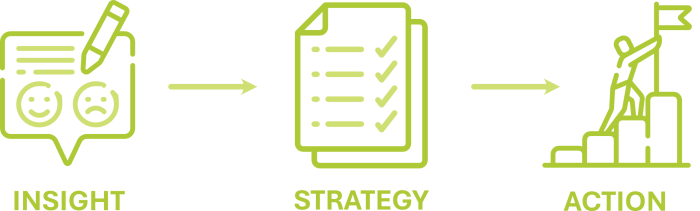
We believe engagement should lead to meaningful change.
Feedback from patients, carers and community organisations is used to identify themes, develop improvements and help shape future services.
This approach helps ensure that lived experience is not only heard, but acted upon.

Our commitment
We are committed to reducing inequalities for defined cohorts through structured engagement that leads to measurable service improvement.
By listening, learning and working in partnership, we aim to create more accessible, inclusive and person-centred services for the communities we serve.