EMED is working with patients, colleagues and community partners to identify communication barriers and make healthcare transport more accessible and inclusive.
Accessibility is about much more than meeting a standard. It means making sure that every patient can understand the information they receive, communicate their needs and access our services in a way that works for them.
At EMED, we are looking closely at the barriers people may face throughout their healthcare transport journey, from finding information and contacting our services to preparing for their journey and communicating with our teams.
Our Accessible Information Standard programme brings this work together. Its purpose is simple: to improve accessible patient communication and help every person feel understood, informed and supported.
Making information easier to access
People receive, understand and respond to information in different ways. A format or communication method that works for one patient may present a significant barrier to another.
Our accessibility work includes:
- developing Easy Read information
- using communication flashcards to support conversations
- reviewing the accessibility of our website and online information
- providing translated and alternative-format information
- considering the needs of people who use relay and other communication support services
- reviewing patient-facing information to make it clearer and easier to understand
- looking at accessibility across the complete patient journey
These practical measures support people with a wide range of communication needs, including disabled and neurodivergent people, people with sensory impairments, people with learning disabilities and those who do not use English as their first language.
Listening to lived experience
We know that meaningful improvements cannot be designed through policies and checklists alone. We need to listen to the people who use our services and understand where barriers occur in practice.
In Surrey, we are working with Luminus, Healthwatch Surrey and Surrey Coalition to review patient communications and explore people’s experiences of healthcare transport.
What began with a particular focus on neurodiversity has developed into a wider accessibility programme. By combining lived experience, partner expertise and operational insight, we can identify what works well, where people experience difficulties and what needs to change.
This collaborative approach helps us move beyond assumptions and make improvements that respond to people’s real experiences.
Understanding the first point of contact
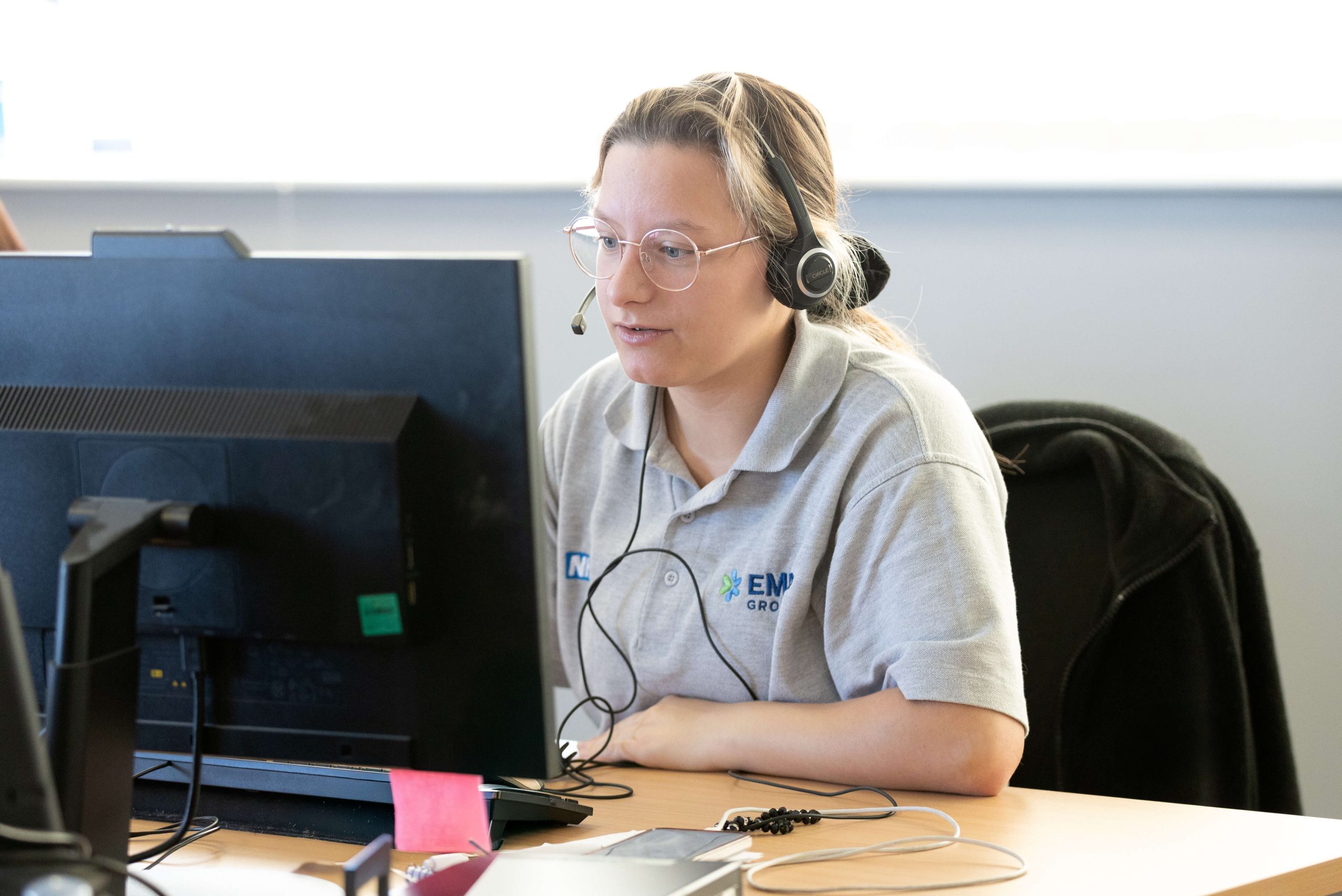
The next stage of the programme will take us into EMED’s Redhill Contact Centre.
Together with Luminus and our community partners, we will spend time with the team to understand how patients experience their first contact with the service. This will include reviewing patient interactions, talking with colleagues and exploring the communication challenges that can arise when people contact us.
The visit will help us consider:
- whether the language we use is clear and accessible
- how effectively individual communication needs are recognised
- what support colleagues need when communicating with patients
- how we explain eligibility and signpost people to other transport options
- where alternative formats, languages or communication methods may be needed
- how learning from lived experience can shape training and service improvements
The insight gathered will help inform two accessibility training sessions for Contact Centre colleagues and support the development of practical improvements.
Accessibility is an ongoing commitment
Improving accessibility is not a one-off project. It requires us to keep listening, learning and reviewing the way people experience our services.
By working alongside patients, colleagues and community partners, we can identify barriers that may otherwise go unnoticed and make changes that improve confidence, understanding and patient experience.
For EMED, accessibility is about making sure every patient has a fair opportunity to understand, communicate and access the support they need.