Reducing inequalities through lived experience: how engagement is shaping patient transport
Across the NHS network, there is growing focus on reducing health inequalities and ensuring that people who need care the most are able to access it in a way that works for them.
For non-emergency patient transport, that question is a practical one as much as a clinical one. Access to care is not only about eligibility or availability, it is about whether services are designed around the realities of people’s lives.
At EMED, this work is grounded in listening.
Starting with real experiences
Through structured engagement with patients, carers and partners, we bring together those who use services with those who deliver them. These conversations are not abstract or one-off. They are designed to understand what is happening in real journeys, on real days, for people who rely on transport to reach care.
Across our work, consistent themes emerge. Patients living with dementia describe the importance of familiarity, communication and reassurance. Renal patients highlight the impact of long and repeated journeys on already demanding treatment schedules. Neurodivergent patients and those with additional needs often experience uncertainty or anxiety when journeys are unpredictable or poorly communicated.
These insights are not new in isolation, but bringing them together in a structured way allows patterns to be understood and acted on.
From insight to improvement
The purpose of this engagement is not simply to listen, but to change.
Insights gathered through lived experience are translated into practical improvements. This includes clearer communication, more accessible information, adjustments to how journeys are planned and delivered and closer working with partners to reduce friction in the system.
In Cambridgeshire and Peterborough, for example, feedback through Healthwatch highlighted confusion around eligibility and the role of different providers. In response, we are working with partners to improve clarity in communications and support patients to better understand how to access services.
This approach creates a clear line between what people tell us and what changes as a result.
Supporting those most at risk of inequality
Much of this work focuses on groups who are more likely to experience barriers to care.
This includes people living with dementia, those undergoing regular renal treatment, individuals with neurodivergent needs and patients approaching the end of life. These groups are not defined only by clinical need, but by the additional challenges they may face in accessing and experiencing services.
By working with these cohorts directly, we are able to design services that are more responsive, more predictable and more compassionate.
Working as part of the wider system
Reducing inequalities is not something any single organisation can achieve alone.
Our work is shaped through collaboration with NHS partners, Integrated Care Boards and organisations such as Healthwatch and national charities. These partnerships ensure that lived experience is understood within the wider context of local systems and priorities.
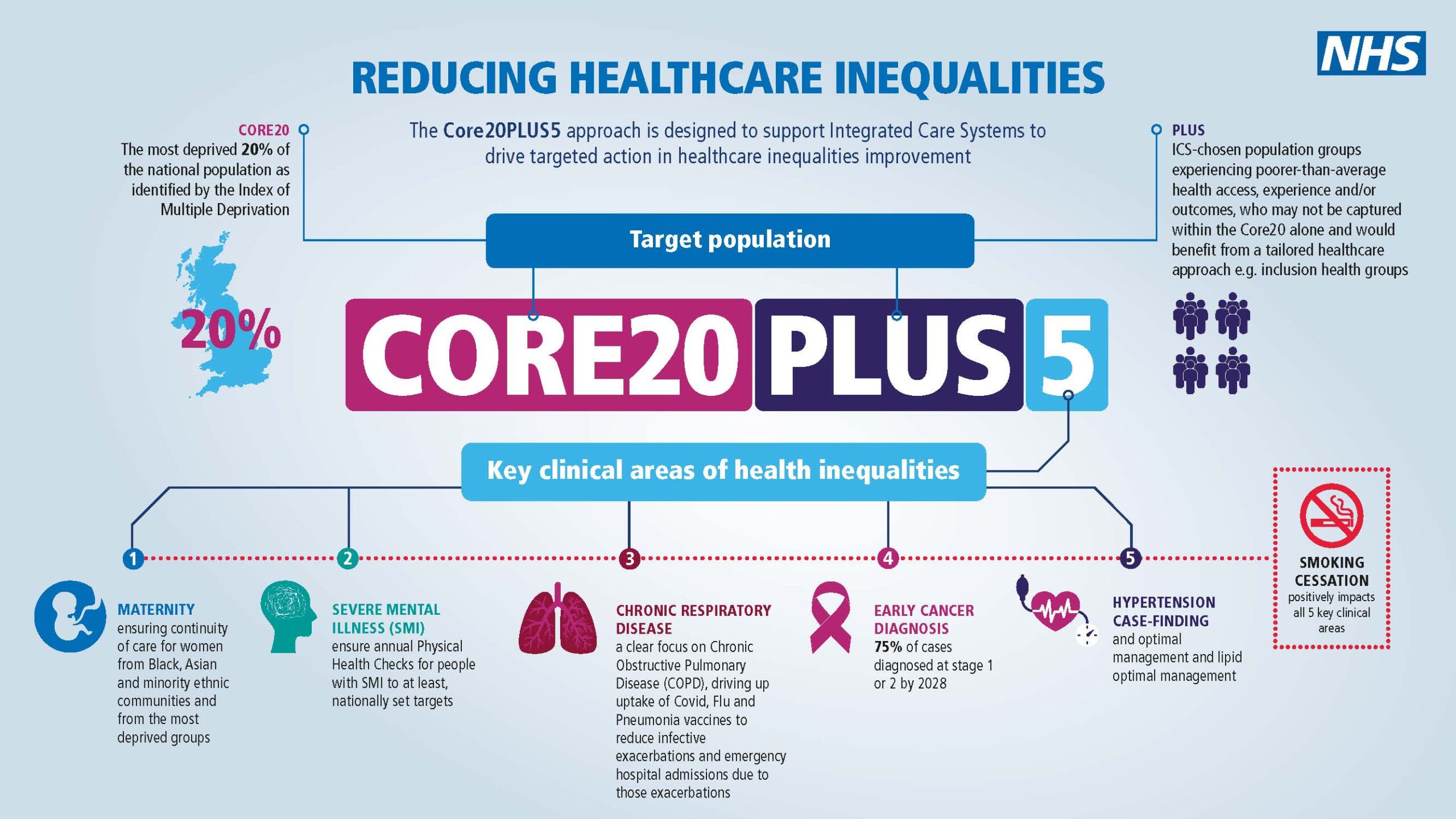
This alignment also supports the delivery of national approaches like Core20PLUS5, which focus on improving access and outcomes for those most at risk of inequality.
A practical contribution to equitable care
For patient transport, reducing inequalities is not an abstract ambition. It is visible in whether a patient can attend an appointment, how they experience their journey and whether the service adapts to their needs.
By combining structured engagement with a clear focus on improvement, we are working to ensure that transport services do more than move people between locations. They support equitable access to care, for all patients who rely on them.