It’s heartwarming to hear that our colleagues in EMED Safe Care really enjoy their work and feel a strong sense of family within our division. We had the opportunity to speak to three of the Safe Care’s Road-Based Supervisors (RBS) to better understand their working lives.
EMED Safe Care is committed to providing secure mental health transport, offering both urgent and non-urgent services 24/7 for patients across England and Wales.
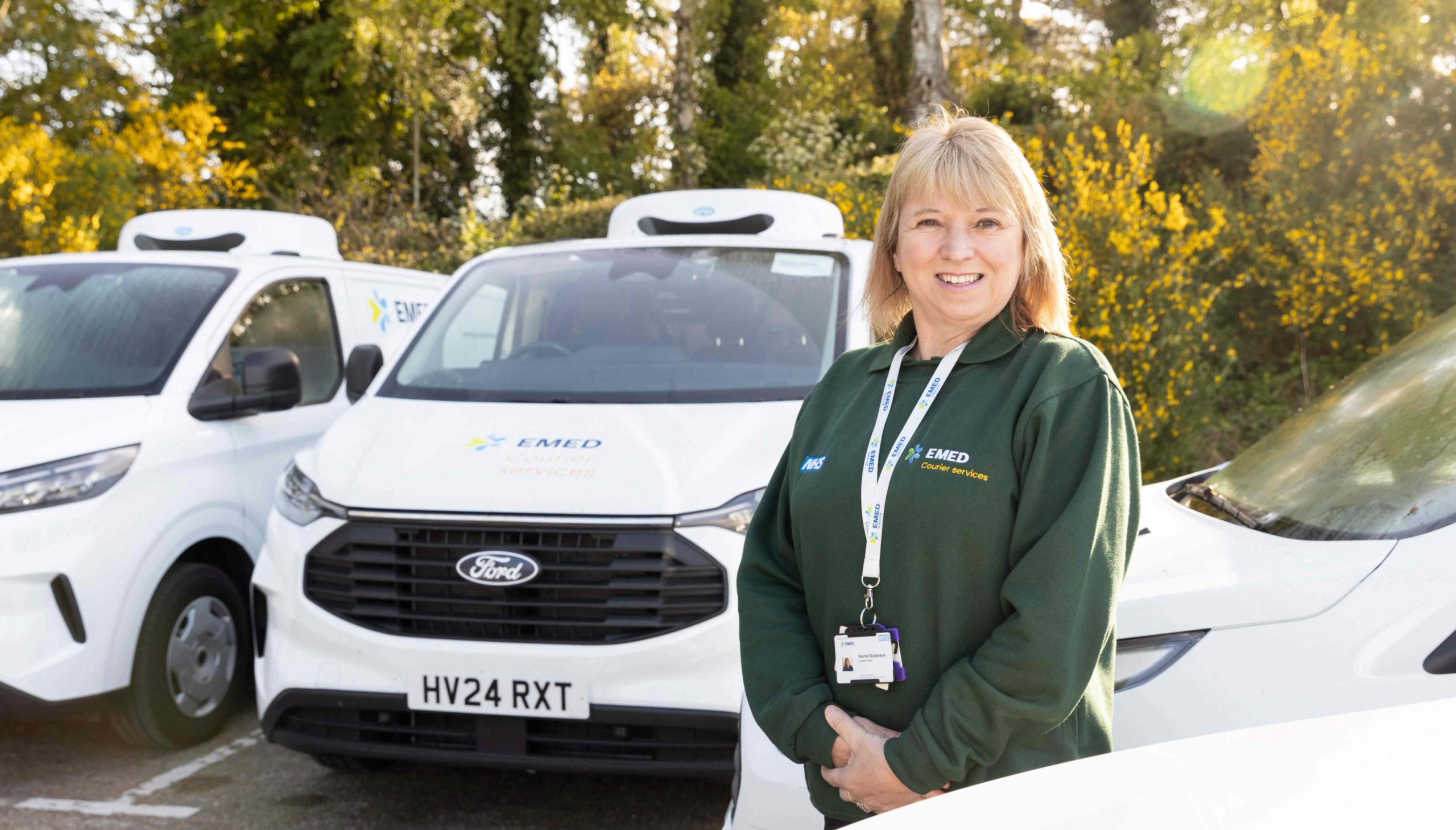
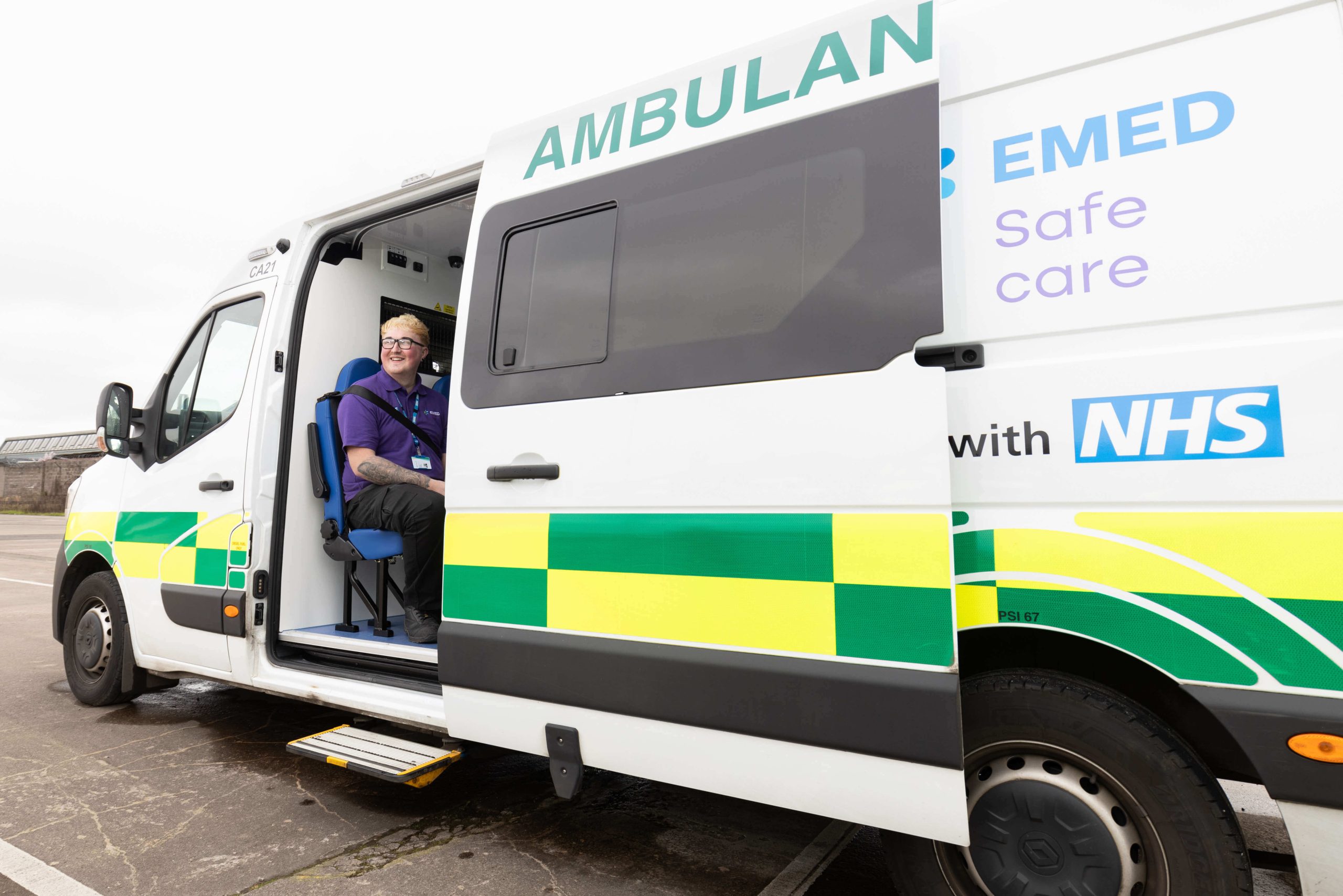
We spoke to Rhys Durlucia (picture 1) who is based in Bridgend, Wales; Jacqueline Gibbs (picture 2) in Leeds; and Martin Bradly (picture 3) from EMED’s St Albans location, and it was truly inspiring to hear about their experiences…


Q What did you do before joining EMED Safe Care?
Rhys: I loved working in social care with children with disabilities. Before that, I was a prison officer at HMP Park Prison, which was extremely challenging, but I also really enjoyed it. I’ve also been a call handler for the Welsh Ambulance Service. These were great experiences for my job at EMED because they all involved an element of mental healthcare.
Jacqui: So my background is 25 years as a pharmacy technician. I left that and came to work in the control centre from where I went out onto the road before joining Safe Care when it was launched as a division at EMED.
Martin: My last job was as a care co-ordinator at a home for the elderly, specialising in dementia care. Before that, I worked in security, and I have also been in the army.
Q What was it like to switch from that to EMED Safe Care?
Jacqui: It’s been challenging but good. I have always wanted to work in the ambulance sector. I bring plenty of life experience with me!
Martin: Given my background, it was quite an easy transition.
Q What skills did you bring to the job from your previous role?
Rhys: Communication skills are essential. It’s about talking to someone as a human, regardless of the situation, and understanding their body language, adapting your engagement accordingly.
Jacqui: At the pharmacy, I dealt with substance misuse patients, gaining a good understanding of the mental health industry and management. I also managed profit and loss, improving performance at struggling branches. At EMED I’m focused on maintaining high standards while prioritising patient care.
Martin: First aid and obviously driving… Having a good knowledge of the county and navigation. They all helped in one way or another.
Q Can you tell me more about your role?
Rhys: My role involves assisting staff with questions, managing schedules, addressing pay and leave concerns, and providing a supportive environment for colleagues.
Martin: Everything involved in the day-to-day running of the base. Keeping staff morale high and being approachable – I think this is probably one of the most important things about being a road-based supervisor because we’re the level between higher management and crews on the road.
Q What kind of passengers do you transport?
Rhys: I’ve learned that mental health doesn’t discriminate. It affects people of all backgrounds and ages. We get to work with a wide range of individuals, from 18 to 80 years old.
Q What kind of training did you have for this role?
Rhys: As a Safe Care Ambulance Care Assistant, I completed a comprehensive three-week training program covering first aid, Prevention and Management of Violence and Aggression (PMVA) training, including restraints and handcuffs, and company induction. The training left me feeling confident, and ongoing training is provided due to the nature of the work involving restraints.
Q What skills are required in your daily work?
Jacqui: As a manager in this division, it’s important to be resilient, compassionate and empathetic to your staff and patients. You should be a team player and never ask your team to do something you wouldn’t do yourself. Being hands-on and working alongside your staff is crucial in any Safe Care role.
Q What do you enjoy most about working for Safe Care?
Rhys: I travel all over and get to speak to different people. Working with my colleagues is great because we’re quite a close-knit bunch. But the patients I speak to daily are definitely the best thing – they make the job so rewarding.
Jacqui: My staff. My team. We built the team from scratch. We started with nothing, and what we have now is a result of our collective effort. Working with my crew is incredibly rewarding.
Martin: The good thing about the Road Based Supervisor’s role is that we’ve all come up through the ranks, as it were, and we’re all happy and keen to get back out on the road as well.
Q What is most challenging about working for Safe Care?
Rhys: It’s difficult not to get upset sometimes. I worked with prisoners before, and I saw some pretty serious things, but seeing people in crisis in their own home, which is meant to be like a place of safety for them – that’s difficult sometimes.
Jacqui: Sometimes, we need a patient moving ASAP. Then, I contact another team and ask them if they can come in and support. So it’s that kind of challenging thing because we are 24/7, and sometimes you need to draw extra staffing to do these emergency journeys.
Q What does a typical day look like for you?
Rhys: I usually arrive around 9 o’clock in the morning. I have brief conversations with the staff and attend meetings with other RBSs and managers. The rest of the day is spent on paperwork. However, I always make time for my crews, and they can reach out to me whenever they need to, even after I’ve finished work.
Jacqui: My working day is from 9am to 5pm. I start by checking for any staff illnesses and reviewing planned journeys. At 10:30am, we have a daily meeting with RBSs and Ops managers. I also conduct welfare checks with my team and handle back-office work. I aim to join my team at least once a week and ensure everything is running smoothly. Each day presents different challenges, but we just get on and do it.
Q Have you learned anything new since you started?
Martin: I learn something new every day! Working with people from different backgrounds has taught me various techniques for de-escalating situations and communicating. I’ve become more open and flexible, I’d probably say.
Q What do you wish you would have known about your job before starting?
Martin: The interview process was thorough and detailed, focusing on finding candidates who understand the complexities of the role. The job involves mental health, not just transportation, and offers an opportunity to make a positive impact in someone’s life.
Q What would you like someone interested in applying to know?
Rhys: Back yourself. People tend to doubt themselves when they hear stories of the job, but anyone can do it. Follow your heart because there is a space for anyone who cares about mental health.
Jacqui: We are not a business that shuts down at 5pm. We are like the police force, the fire service – we are a frontline service. We are moving the sickest of the sick. Not everybody thinks of it like that. Some people are happy to be going for treatment, but others aren’t. Just have it in your head that this could be any family member. How would you want your nearest and dearest to be treated? They are still people in their own right, and we must give them dignity, respect, care, and compassion. And that’s what we’re here for – they need to go and get the treatment and we need to get them to that place of safety.
Martin: If you want a challenging role where you can make a real difference every day, this is it. We’re well taken care of by the company, even on long days. Recently, I had to drive to Darlington for a job, and despite the usual practice of splitting long drives among different crews, we ended up staying in a hotel there. Not many other companies do that.
Q Anything else you’d like to share?
Rhys: At my previous jobs, they focused on identifying both strengths and weaknesses. However, at this company, they focus on, recognise and utilise your strengths effectively. There are robust support networks for everyone, regardless of their role within the company, along with compassionate individuals willing to offer guidance and assistance. When I started as an ACA, I found people who could relate to my experiences and were really willing to help.
If you think you have what it takes to join our Safe Care division, get in touch with our recruitment team at recruitment@emedgroup.co.uk to find out more.